Journal · Getting started
Yoga props you actually need
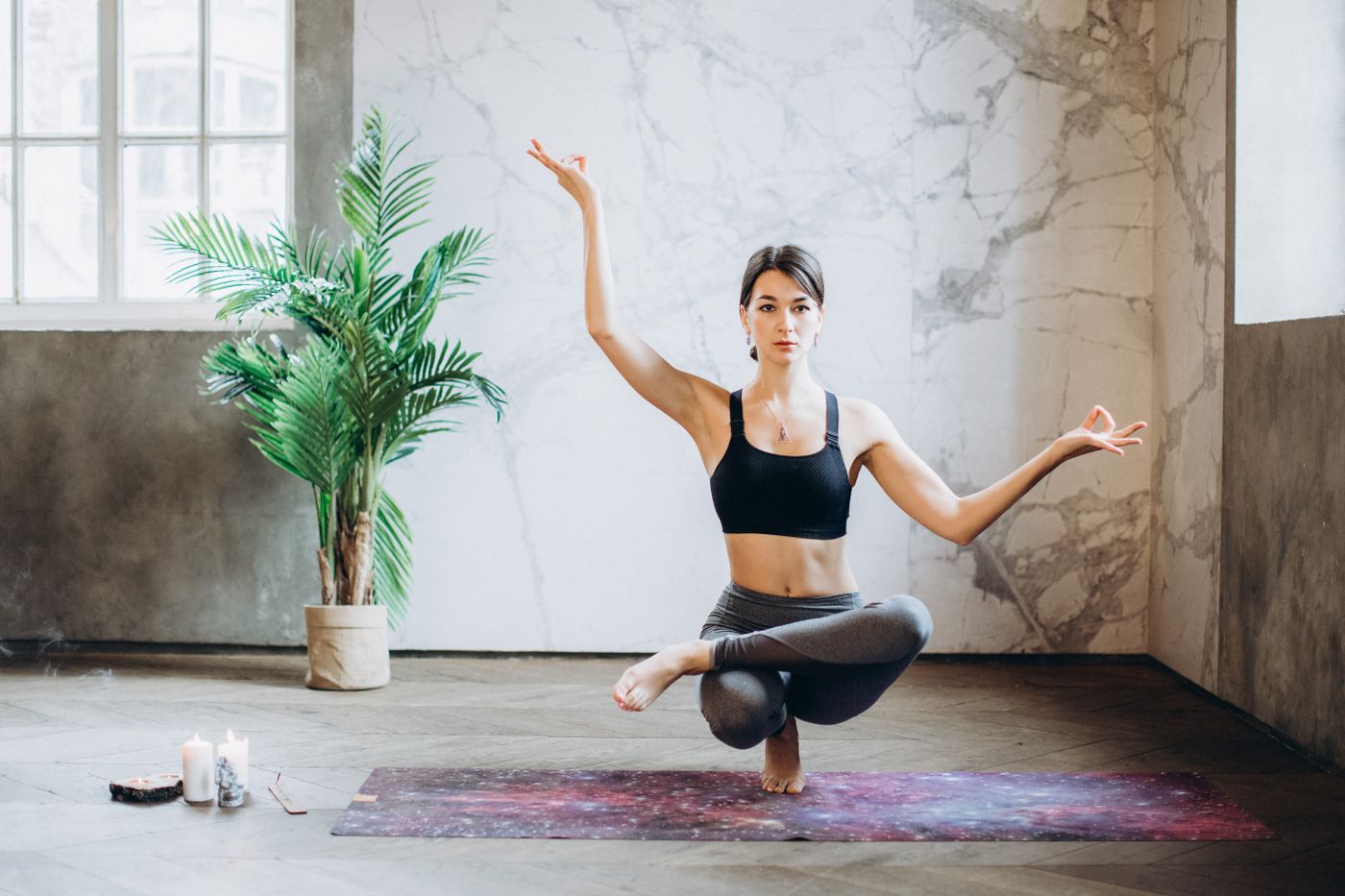
You do not need a wall of props to start. A few simple tools make shapes kinder on wrists, hips, and hamstrings. This is general education for healthy adults, not medical advice. If you have an injury or medical condition, ask a clinician what is appropriate for you.
The short list
A mat or non-slip surface keeps feet honest in standing poses. A folded blanket softens knees and supports seated hips. Blocks bring the floor closer so you do not collapse into a fold. A strap (or a belt) extends reach without yanking shoulders.
That is enough for months of home practice.
What blocks are for
Blocks are not training wheels you must graduate from. They are height. If your hands do not reach the floor in a standing forward fold with soft knees, put a block under each hand. If a triangle pose shoulder complains, raise the lower hand onto a block. Comfortable alignment beats Instagram depth.
Blankets and padding
Knees on hard floors are a common reason people quit. Double the blanket. Side-lying rests and seated meditation often feel better with height under the hips so the spine can stack without forcing.
Straps without aggression
Loop a strap around the foot in a reclined hamstring stretch and keep a soft knee if needed. The strap should reduce yanking, not increase it. If you pull until the hip gripes, you went too far.
What you can skip early
Specialty wheels, heavy bolsters, and matching color stories can wait. Borrow ideas from household items carefully: a towel is not always a safe strap substitute for loaded stretches.
A simple home kit budget mindset
Buy one thing when a pose repeatedly asks for it. If you never use seated work, delay the perfect meditation cushion. Let practice dictate purchases.
Detailed examples from a real week
Monday: keep a block within reach during standing work even if you do not use it every pose. Tuesday: pad the knees before you need to. Wednesday: try a strap only after the breath is steady. Thursday: skip a deep fold and choose a reclined stretch instead. Friday: notice which tool you actually touched — that is the one to keep by the mat.
Write one line after practice: which prop helped, which was clutter. Shopping lists get quieter when practice logs get honest.
Safety boundaries
Stop for sharp pain, numbness, or dizziness. Pregnancy, recent surgery, osteoporosis, glaucoma, and other conditions change what is appropriate — get personalized guidance. Online sequences cannot see your joints.
Bottom line
Props exist to make breathing easier in a shape, not to prove seriousness. Start small, pad what hurts against the floor, and keep the session short enough that you return tomorrow.
A note on consistency
Come back tomorrow for a shorter session rather than doubling today’s intensity. Gentle practices compound. If a prop or modification removes dread from a shape, that is a win worth keeping in your notes.